Occupational Voice Care for More Comfortable Workdays
Does your voice feel tired after teaching, coaching, leading meetings, or helping customers? Occupational voice care supports people who rely on their voice at work. A speech-language pathologist (SLP) helps you develop efficient speaking habits and adapt to demanding situations, with goals such as less fatigue, greater comfort, and being heard more easily in a loud environment. The new school year is a useful time to establish these habits, especially before timetables, presentations, and seasonal events fill the calendar.
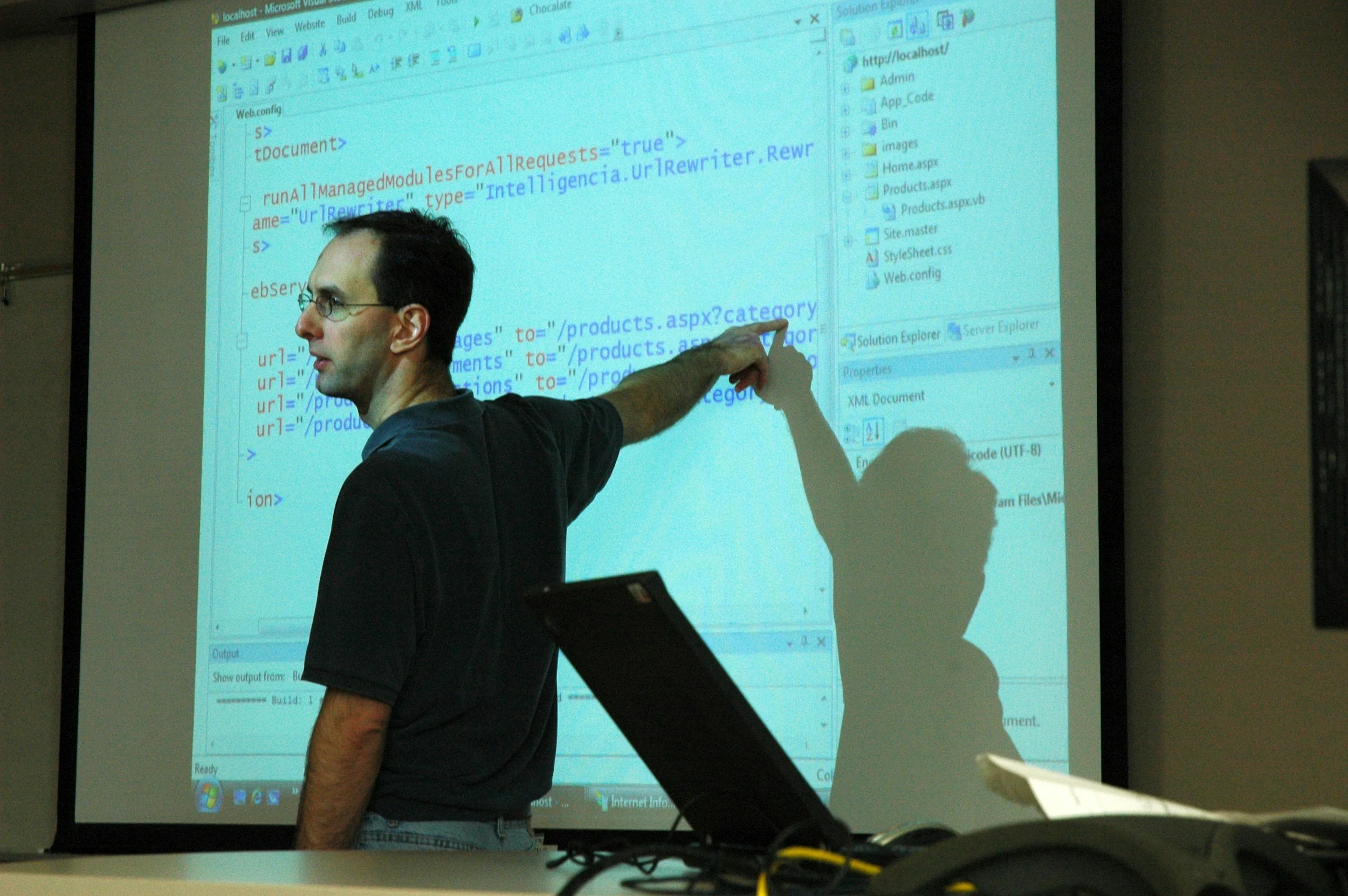
For instance, we can start with one skill: pausing at natural phrase boundaries to take a comfortable breath. Choose a speaking task you repeat often, such as explaining an assignment, greeting a customer, or introducing a team meeting.
Then, having a familiar script makes practice easy to repeat and gives you a specific place to notice whether speaking feels more manageable. Write out your message and mark a few natural stopping points with a slash. A teacher might say, "Please open your textbook." A customer-service worker could say, "Let me check your reservation." Pause at each slash and take an easy breath if needed before continuing. Avoid rushing through the final words when you are running out of air. Keep the wording conversational and adjust the breaks so the message still sounds natural and clear.
Make it easier to use those pauses during a real workday. Wait for a group's attention before giving instructions, move closer to your listeners, and use amplification when appropriate. A fitness instructor might lower the music before explaining the next movement; a teacher could display written directions while students get ready. During an online meeting, check that your microphone picks up a comfortable speaking volume. These changes reduce the need to compete with background noise.
Build brief periods of less talking into the day, keep water accessible, and consider a properly maintained humidifier if indoor air is dry during winter. When a cold leaves you hoarse, reduce speaking demands and pause extra voice practice. You can still plan phrase breaks silently on paper. Supporting your voice between speaking tasks makes the practice routine more sustainable. However, please remember that whispering strains your voice even more than speaking at a typical volume.
An SLP can listen to a typical work task, check how breathing and voicing work together, and coach pauses that suit your speaking style. A focused voice therapy can help you apply additional skills to the situations you use most. Hoarseness that has not improved within four weeks needs a laryngeal examination; seek assessment sooner for concerning symptoms.